
Most punters chase the flashiest table or the loudest bonus screen, but a seasoned slot modeller reckons the real question is which live game best odds actually fit your own rhythm. I’ve spent two decades balancing paytables and modelling return curves, and the maths keeps pointing back to games where the edge is transparent and the pace lets you think. That’s the angle here: a live setup built around steady edges, shared events, and repeat-play reasons that outlast any welcome splash.
The maths behind a live edge that holds up
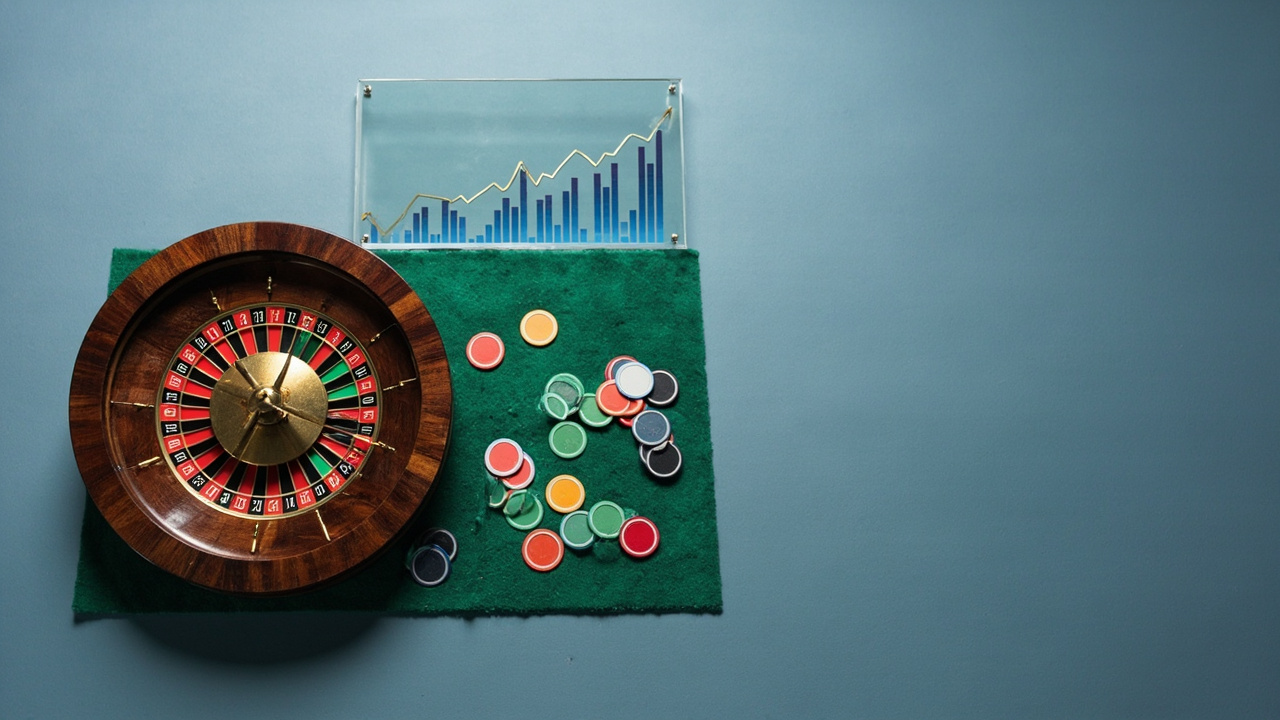
When you strip away the glitter, the house edge is just a function of rules, pace, and how often the dealer resets the shoe. In baccarat and blackjack variants, the edge sits where the rules say it sits, but live dealers can tilt the practical return by changing shuffle timing, side-bet frequency, and table limits. I’ve modelled dozens of live tables where a slightly slower pace and fewer side bets kept the expected loss lower per hour, even when the advertised edge looked identical to a faster room. That’s the quiet advantage: a game that doesn’t rush you into extra bets you didn’t plan on.
The same principle shows up in community slots, where nearby players can share a bonus event instead of each chasing their own volatile trigger. From a design standpoint, that shared structure smooths out the short-term swings and gives the table a steadier feel, which is why I’d rather point someone toward a room with predictable triggers than one selling a flashy but thin edge. If you want to compare timing against notes on Wollongong game nights, where slow transfers get flagged fast, you’ll see how pacing and payment speed often matter more than the headline return.
Why ongoing value matters more than the welcome splash
A welcome offer looks grand on day one, but the real test is what keeps you playing after the first deposit clears. Recurring promos, cashback on bad runs, and a loyalty ladder that actually pays out on volume are what separate a live room from a one-hit wonder. I’ve seen operators structure cashback as a flat percentage on lost hands over a rolling week, which softens the downswings without distorting the edge, and that’s the kind of mechanic I respect because it rewards stay-power rather than chasing.
Tournaments can work the same way when they’re built around repeat participation instead of a single big prize that only the luckiest snag. A well-run live tournament gives you a reason to come back on a slow arvo, and when the leaderboard resets often enough, the value spreads across regulars instead of concentrating on one session. You’ll find a few Wollongong regulars who treat those weekly brackets like a proper routine, and that habit is what keeps the maths working in your favour over time. For anyone weighing the same question around which live game best odds, the loyalty side is where the edge stops being theoretical and starts showing up in your account.
Payments, mobile, and the boring bits that actually count
The flashy stuff sells the first click, but the boring bits decide whether you stay. PayID is the quickest path for most Aussies, and when a live room settles those transfers same-day, you’re not waiting on a bank transfer that drifts into the next morning. BPAY still works for people who prefer it, though the timing can stretch a bit, and card blocks are still a nuisance when a bank decides your gambling transaction looks odd. I’ve watched more promising sessions stall because a payment route was slower than the game itself, which is why a clean payment stack matters as much as the table rules. https://hellspins-win.com
On the mobile side, a live table should load without lag and keep the chat and bet controls in reach, because a crowded screen turns a calm session into a thumb workout. Registration needs to be straightforward, support should answer in plain English, and the whole setup should feel like it was built for local habits rather than copied from somewhere else. No one should assume any offshore play is licensed or regulated here, so the practical test is whether the room runs transparently, pays cleanly, and lets you walk away without fuss. You can read a bit more about local rescue groups if you want a break from the screen, because a steady session is easier to manage when you’ve got a proper off-switch.
Common misconception: the highest advertised return is always the best pick
It’s easy to assume the game advertising the highest return is the one to chase, but the reality is more nuanced. A live table can quote a strong theoretical return and still cost you more per hour if the pace is fast, the side bets are heavy, and the limits push you into bigger stakes than you meant to take. I’ve run the numbers on tables where a slightly lower advertised return actually preserved more of your bankroll because the rules were cleaner and the dealer didn’t keep dangling extra bets.
The nuance is that return is only one input, and your actual outcome depends on stake size, session length, and how often you take optional wagers that carry a heavier edge. A game that lets you play at a pace you control, with fewer distracting side bets and a loyalty structure that gives back on volume, often beats a flashier room on the numbers that matter. That’s the judgement call I keep making: pick the room where the edge is honest and the mechanics let you stay in the game longer.
Quick answers on picking a live room
How do I compare edges across live tables?
Look past the headline return and check the side-bet load, the shuffle or reset pace, and the table limits that shape your stake choices. A slower room with fewer optional wagers usually keeps your hourly loss lower, even when two tables quote similar returns. The maths is straightforward: edge times exposure is what you actually feel, so a table that lets you control exposure is often the better pick.
What ongoing perks are worth chasing after the welcome offer?
Cashback on a rolling window, recurring promos that don’t demand huge turnovers, and a loyalty ladder that pays on steady volume are the ones I’d flag. Tournaments help too when they reset often and reward repeat participation rather than one lucky session. The point is to find perks that soften downswings and give you a reason to return, because those are the mechanics that keep the edge working in your favour over time.
Which payment routes are the least fussy for Aussie players?
PayID is usually the quickest for same-day settlement, and it suits most local habits without much back-and-forth. BPAY still works but can take longer, and bank transfers sometimes drift into the next day depending on the route. Card blocks do still happen when a bank flags a gambling transaction, so it’s worth keeping a backup method ready. Clean payments matter because a slow route can interrupt a session that was otherwise running well.